If sending a simple transaction can cost more than the thing you are trying to do, people start looking for a better route. That is a big part of why layer 2 networks matter.
Layer 2 networks are one of the main ways crypto ecosystems try to handle growth without forcing every transaction directly through the base chain. They aim to reduce congestion, lower fees, and make blockchains more usable for everyday activity.
If you use Ethereum, or any crypto network built around scaling tradeoffs, you will eventually run into the term. It is worth understanding what it means before you bridge funds or start using one.
What a layer 2 network is
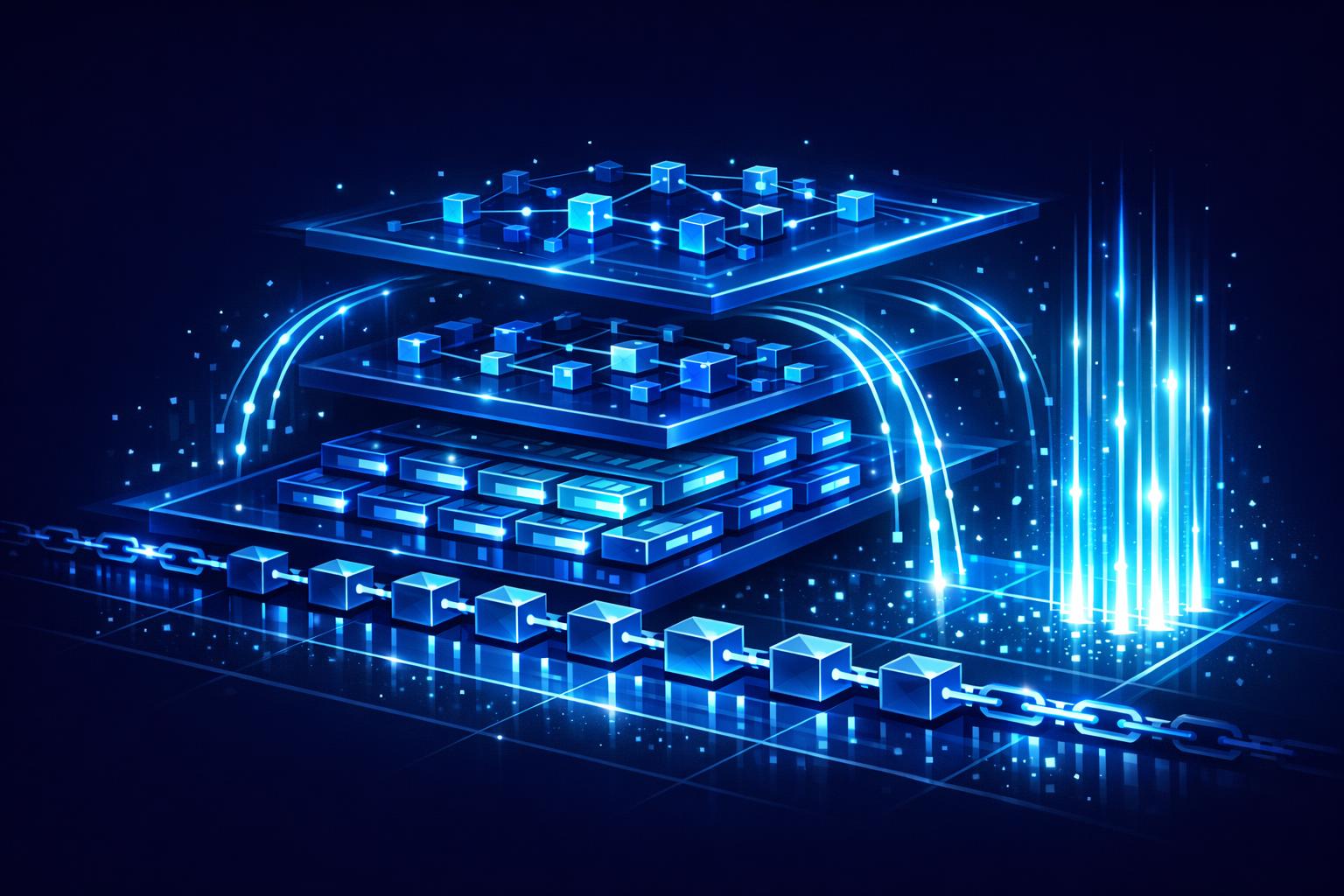
A layer 2 network is a secondary system built on top of a base blockchain, sometimes called layer 1. Instead of asking the main chain to process every action directly, some of that activity is handled on the secondary layer and then settled or anchored back to the base layer.
The simple idea is not new. If the main road is crowded, you build faster side routes that still connect back to the same destination.
In crypto, that can mean lower fees and quicker confirmations for users.
Why crypto needed layer 2 networks
Base-layer blockchains usually face a tradeoff between decentralization, security, and throughput. A network that stays highly decentralized and secure may not process huge volumes cheaply at all times.
When demand rises, block space becomes more valuable. Fees can climb, transactions can queue, and simple actions become harder to justify economically.
Layer 2 networks are one answer to that pressure. They try to move routine activity away from the most expensive lane while still keeping ties to the main chain.
How layer 2 helps in practice
For users, the most noticeable benefits are usually speed and cost. Swaps, transfers, gaming transactions, NFT activity, and other on-chain actions may become much cheaper on a layer 2 than on the base network during busy periods.
That matters because crypto is hard to use if every small move feels like a premium purchase. Lower transaction costs make smaller portfolios and more frequent activity more practical.
It also creates room for applications that would feel clumsy or too expensive on the base layer alone.
Common examples of layer 2 design
Not every layer 2 works the same way. Some bundle transactions together before posting summaries back to the main chain. Others use alternative designs for moving data and confirming state changes.
You do not need to memorize every architecture to understand the user-level point. The shared goal is to take load off the base layer while keeping some connection to its security model or settlement process.
The exact tradeoffs depend on the network you are using.
Why the tradeoffs still matter
Layer 2 does not automatically mean risk-free or simple. You still need to understand bridging, wallet support, asset compatibility, and the time or cost involved in moving funds back to the base layer.
Some networks feel smooth and mature. Others can be confusing for beginners, especially when token symbols, wrapped assets, or chain selection screens are involved.
This is why it helps to slow down before sending funds. A cheaper network is only useful if you are sure you are on the right one.
What bridging has to do with it
To use many layer 2 networks, people move assets from the base chain or from another supported network onto the destination layer. That process is usually called bridging.
Bridging is useful, but it adds one more operational step, which means one more chance to make a mistake. You need to confirm the destination network, the token type, and whether the application you want to use actually supports that route.
If you are moving assets across supported chains or converting into the asset you need before using a network, a service like ChangeNOW can be one practical option for supported crypto swaps. Affiliate link, we may earn a small commission at no extra cost to you.
Layer 2 vs layer 1
Layer 1 is the base blockchain itself. That is the main settlement layer. Layer 2 is the additional system built to help handle more activity around it.
The relationship matters because many people first assume layer 2 simply means a smaller, separate blockchain. Sometimes the user experience can feel that way, but the reason people care about layer 2 is the connection back to the base layer.
It is not just another chain for the sake of having one more chain. It is part of a scaling strategy.
When layer 2 makes the most sense
- When base-layer fees are too high for the size of your transaction.
- When you want faster confirmation for routine activity.
- When the app or protocol you want to use is built primarily on that layer 2.
- When you understand the network, bridge path, and wallet setup well enough to avoid operational mistakes.
Those conditions usually matter more than hype around any single ecosystem.
The practical takeaway
Layer 2 networks matter because they make crypto more usable. They are one of the clearest answers to the problem of high fees and limited throughput on busy blockchains.
But using them well still requires attention. You need to know what network you are on, how assets move between layers, and what tradeoffs come with the convenience.
If crypto is going to feel normal for more people, lower-cost scaling will matter. Layer 2 is a big part of that story.